Why the Alternative Minimum Tax Exists: A Brief History
Key Takeaways
- AMT was created in 1969 after Congress found wealthy taxpayers paying zero federal tax
- It serves as a check-and-balance on the regular tax system
- Adds back certain deductions and applies a separate exemption and rates
- You pay whichever is higher: regular tax or AMT
- The goal is ensuring a minimum level of tax regardless of deductions used
The History Behind AMT
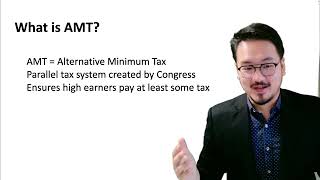
The Alternative Minimum Tax was introduced in 1969 after Congress discovered that some extremely wealthy taxpayers were paying little or no federal income tax. By using extensive deductions, credits, and exclusions available under the regular tax system, these taxpayers had effectively eliminated their tax liability.
Congress's Solution
Congress created a parallel tax calculation — the AMT — as a check-and-balance on the regular system. The AMT adds back many deductions that are allowed under the regular system and applies its own exemption and rates. If your AMT calculation produces a higher tax than your regular calculation, you pay the AMT amount.
The intent is fairness: even if you legitimately use every available deduction, there remains a minimum floor of tax that high-income earners must pay.
File Your LLC Taxes Now
Generate your IRS Form 5472 + pro forma Form 1120 in 15 minutes. Every field linked to official IRS instructions. $49, no CPA needed.