Accelerated Depreciation and AMT: Common AMT Trigger
Key Takeaways
- Regular tax uses faster MACRS depreciation; AMT uses slower methods
- The difference creates a timing adjustment that can trigger AMT
- Most impactful for businesses with large depreciable asset purchases
- This is a timing difference — total depreciation is the same over the asset's life
- AMT paid due to depreciation timing may be recoverable through future AMT credits
Accelerated Depreciation and AMT
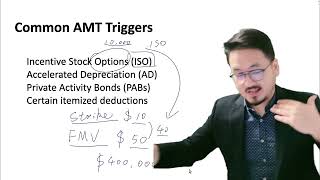
The U.S. tax system uses MACRS (Modified Accelerated Cost Recovery System) for depreciation, which allows businesses to recover the cost of assets faster in earlier years. Under the regular tax system, you might use 200% declining balance depreciation. Under the AMT system, depreciation is generally calculated using 150% declining balance or straight-line methods.
This difference in depreciation speed creates a temporary timing difference between regular tax and AMT, potentially triggering AMT in the years when accelerated depreciation is highest.
Why This Matters for Business Owners
If your business has significant depreciable assets — equipment, vehicles, machinery — the accelerated depreciation deductions that reduce your regular tax may simultaneously increase your AMT exposure. This is particularly relevant for capital-intensive industries like manufacturing, technology infrastructure, and real estate.
The good news is that this is a timing difference, not a permanent one. Over the life of the asset, total depreciation is the same under both systems. The AMT paid in early years may generate credits that can be recovered in later years.
File Your LLC Taxes Now
Generate your IRS Form 5472 + pro forma Form 1120 in 15 minutes. Every field linked to official IRS instructions. $49, no CPA needed.